Intro: Safety First in Basking Ridge, NJ
If you live in Basking Ridge, NJ, and need garage door repair, safety should be the first thing on your checklist. A damaged door or failing opener can put people, vehicles, and property at risk. This guide walks homeowners through practical steps to reduce hazards before, during, and after a repair — whether hiring a technician or handling simple maintenance yourself.
Why safety matters for garage door repair
Garage doors are heavy systems under tension. Injuries and property damage often happen because a spring, cable, or track failed unexpectedly. Regular attention reduces the chance of an emergency repair and keeps your door operating smoothly as part of your home improvement plan.
Preparation checklist before any repair
Preparation reduces surprises and keeps technicians safe when they arrive. Use this short checklist before scheduling or attempting any work.
- Clear the area: remove vehicles, bicycles, tools and kids’ toys from the driveway and inside the garage.
- Turn off power: flip the garage door opener circuit or unplug the unit to prevent accidental activation during inspection.
- Secure pets and children: keep everyone safely away while testing or repairing the door.
- Document the problem: take a short video of the door’s movement or any strange noises — this helps a pros diagnose faster.
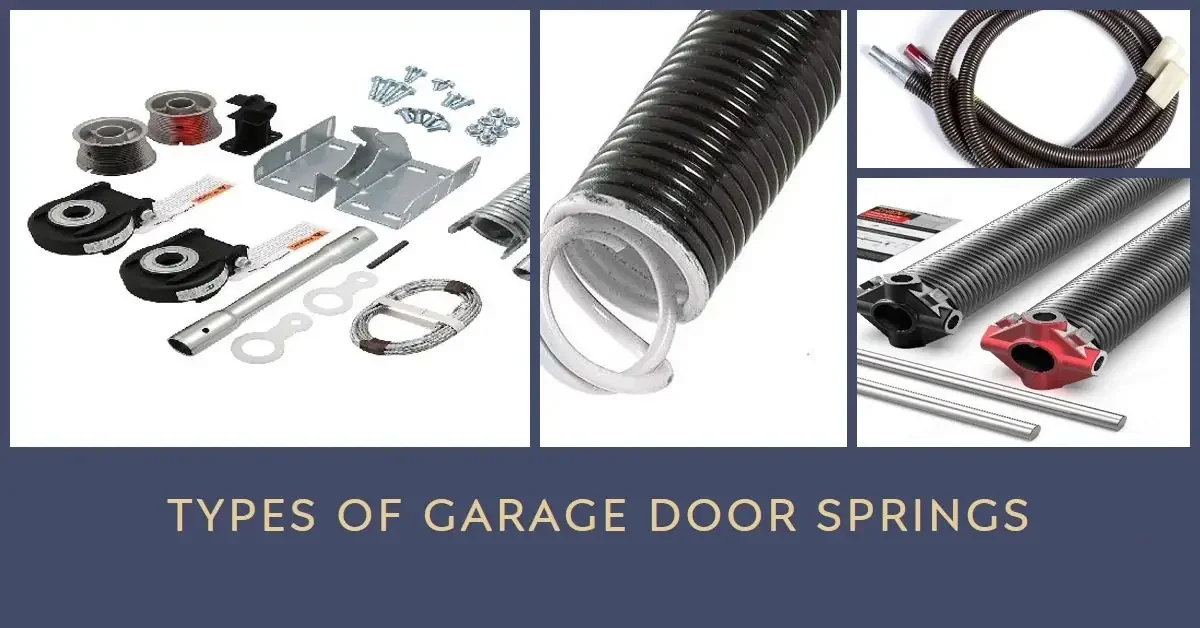
- Know the system: find the opener brand and model if possible, and note visible spring type (torsion or extension).
For more homeowner tips and seasonal checklists, see our blog for localized advice and updates relevant to Basking Ridge weather and conditions.
Common safety hazards and how to avoid them
Springs and cables
Broken springs and frayed cables are among the most dangerous failures. These parts store significant energy and can snap with force. Do not try to remove or adjust springs unless you are trained. For spring replacement, always call a qualified technician who specializes in garage door repair.
Track and roller issues
Misaligned tracks or seized rollers can cause a door to come off its runners. Regular lubrication and periodic tightening of fasteners reduce the chance of sudden failures. If the door binds or produces grinding noises, stop operating it and schedule service to avoid further damage.
Opener and electrical risks
Openers with damaged wiring, exposed connectors, or inconsistent power can behave unpredictably. Keep the area dry, avoid extension cords as long-term solutions, and turn off power before any inspection. If the opener shows signs of electrical trouble, contact a professional for safe diagnostics and repair.
DIY safety steps for homeowners
There are simple, low-risk tasks homeowners can perform that improve safety without replacing critical components.
- Visual inspection: look for bent tracks, loose bolts, or visible fraying on cables.
- Balance test: with the door closed, disconnect the opener using the manual release and lift the door halfway — it should stay put. If it drifts, springs may need service.
- Lubrication: apply a small amount of manufacturer-recommended lubricant to rollers, hinges and bearings — avoid grease on nylon rollers.
- Sensor check: ensure photo-eye sensors are aligned and clean; fog, dirt, or misalignment can stop the door from closing safely.
Only proceed with DIY when the task is visibly simple and low-tension. For any work involving springs, cables or opener internals, seek professional garage door repair help.
Working with a pro: what to expect
Choosing a qualified service reduces risk and speeds repair. When arranging service, ask about technician training, insurance and written estimates. A professional team follows a standard safety process: they disconnect power, secure the work area, use proper tools, and test safety reversal systems before they leave.
Review local service options and typical turnaround times on our services. If the issue is urgent, call or contact us to schedule a safety inspection.
Maintenance plan to prevent future repairs
Regular maintenance keeps a garage door functioning safely and extends component life. Build a simple schedule:
- Monthly: clean sensors, test reversal system, inspect weather seal.
- Quarterly: lubricate moving parts, tighten hardware, test balance.
- Annually: professional tune-up to check springs, cables, and opener performance.
Keeping records of inspections and repairs helps when estimating replacement timelines and managing home improvement budgets. A proactive maintenance plan reduces emergency calls and keeps your door safe year-round.
Local considerations for Basking Ridge weather and safety
Winters in NJ bring cold and moisture that can stiffen parts and hide corrosion. Spring and fall cycles cause expansion and contraction that affect balance. After heavy storms, visually inspect the door for dents, displaced tracks, or water intrusion. Prompt attention to storm damage prevents secondary failures.
When to replace rather than repair
Replacement becomes the safer, more economical choice when the door is old, repeatedly failing, or when parts are no longer manufactured. Signs that you should replace include badly rusted components, persistent balance issues, or repeated spring failures. A professional garage door repair inspection can provide a clear recommendation based on safety and cost.
Quick safety tips for families
- Teach children to keep away from the operational door and never to play with remote controls.
- Keep remote controls out of reach; disable remote access during long absences.
- Install battery backup and test the auto-reverse weekly to ensure it responds to obstacles.
Final checklist before the technician leaves
- Verify the technician tested auto-reverse and photo-eye sensors.
- Ask for a written summary of repairs and any parts replaced.
- Request maintenance recommendations and any immediate safety concerns to monitor.
Following these steps reduces the odds of a repeat visit and helps you plan sensible home improvement priorities.
Resources and further reading
For seasonal advice and detailed how-to posts relevant to local conditions, check our blog and schedule routine service via our contact page. Use licensed professionals for high-tension repairs and prioritize safety over a quick DIY fix.
Frequently Asked Questions
Q: How does Basking Ridge winter weather affect garage door safety?
A: Cold temperatures can stiffen lubricants and make rollers bind. Inspect weather seals and test the opener’s auto-reverse monthly during winter. If springs show rust or repeat failures, schedule professional garage door repair before temperatures drop further.
Q: How long does a typical garage door repair service call take in NJ?
A: Most safety-focused service calls for springs, cables or opener diagnostics take 60–90 minutes. Complex replacements or custom parts can extend that to several hours or require a return visit for parts ordering.
Q: What are common local price ranges for spring replacement?
A: In the Basking Ridge area, single-spring repairs typically run lower while torsion-spring replacements on two-car doors are higher. Expect a visible written estimate that includes parts, labor and safety testing; ask about warranties for the spring and labor.
Q: Do I need a permit for garage door replacement in Basking Ridge, NJ?
A: Minor repairs usually don’t require permits, but full replacements or structural changes sometimes do. Check with the Bernards Township building department or ask your service provider to confirm local permit requirements before work begins.
Q: Are warranties standard for residential service work?
A: Reputable companies offer limited warranties on parts and labor. Always get warranty details in writing — length, coverage, and transferability — so you understand protection after a garage door repair.
Helpful local resources in Basking Ridge, NJ
- Garage Door Repair Hoboken
- Garage Door Repair Montclair
- Garage Door Repair Westfield
- Garage Door Repair Summit
- Garage Door Repair Maplewood
- Garage Door Repair Livingston
- Garage Door Repair Short Hills
- Garage Door Repair Princeton
- Garage Door Repair Red Bank
- Garage Door Repair Morristown
- Garage Door Repair Chatham
- Garage Door Repair Mendham
- Garage Door Repair Bernardsville
- Garage Door Repair Bedminster
- Garage Door Repair Clinton
- Garage Door Repair Tenafly
- Garage Door Repair Ridgewood
- Garage Door Repair Upper Saddle River
- Garage Door Repair Wyckoff
- Garage Door Repair Basking Ridge
- Garage Door Repair South Orange
- Garage Door Repair Teaneck
- Garage Door Repair Fort Lee
- Garage Door Repair East Brunswick
- Garage Door Repair Montvale
- Garage Door Repair Haddonfield
- Garage Door Repair Marlboro
- Garage Door Repair Cranford
- Garage Door Repair Voorhees
- Garage Door Repair North Caldwell