Intro: Why materials matter in Basking Ridge, NJ
If you live in Basking Ridge, NJ and are planning a garage door installation, the materials you choose affect durability, energy performance, and curb appeal. Local weather swings—from humid summers to freezing, salty winters—make material selection an important part of any residential service plan.
Common material options and how they perform
Most homeowners choose among steel, aluminum, wood, fiberglass, and composite doors. Each has trade-offs for cost, maintenance, insulation, and appearance. Below is a concise compare-and-contrast to help with garage door installation decisions.
Steel
- Durability: High. Steel resists dents and warping but can rust near coastal or salted roads unless treated.
- Insulation options: Excellent when paired with foam cores—good for garages attached to conditioned homes.
- Cost: Moderate. Long lifespan makes steel a common choice for lasting garage door installation.
Aluminum
- Weight: Lighter than steel, easier on openers and tracks.
- Corrosion: Better resistance to rust, but dents more easily.
- Style: Good for modern looks and wider panel spans.
Wood
- Aesthetics: Offers a premium, traditional look that boosts curb appeal in older Basking Ridge neighborhoods.
- Maintenance: Requires regular sealing or staining to withstand NJ moisture and freeze-thaw cycles.
- Cost: Higher initial and ongoing costs; choose only if you’re committed to upkeep.
Fiberglass and Composite
- Weather resistance: Fiberglass resists salt air and moisture well; composites mimic wood with less maintenance.
- Insulation: Varies by model; many composite doors offer good thermal values for energy savings.
- Cost: Mid-to-high, but lower maintenance than real wood.
Key factors for Basking Ridge homeowners
When planning garage door installation, weigh local weather, your garage’s connection to the house, and long-term maintenance budgets. These local considerations help narrow material choice quickly.
1. Weather and corrosion resistance
Salt used on winter roads and humid summers can accelerate corrosion. For many Basking Ridge properties, galvanized or powder-coated steel and fiberglass are practical choices. If you prefer wood, plan for yearly sealing.
2. Energy efficiency and insulation
If your garage shares walls with living spaces, prioritize insulated door systems with a higher R-value. A properly insulated door reduces heat transfer and can lower heating bills during cold NJ months.
3. Weight and opener compatibility
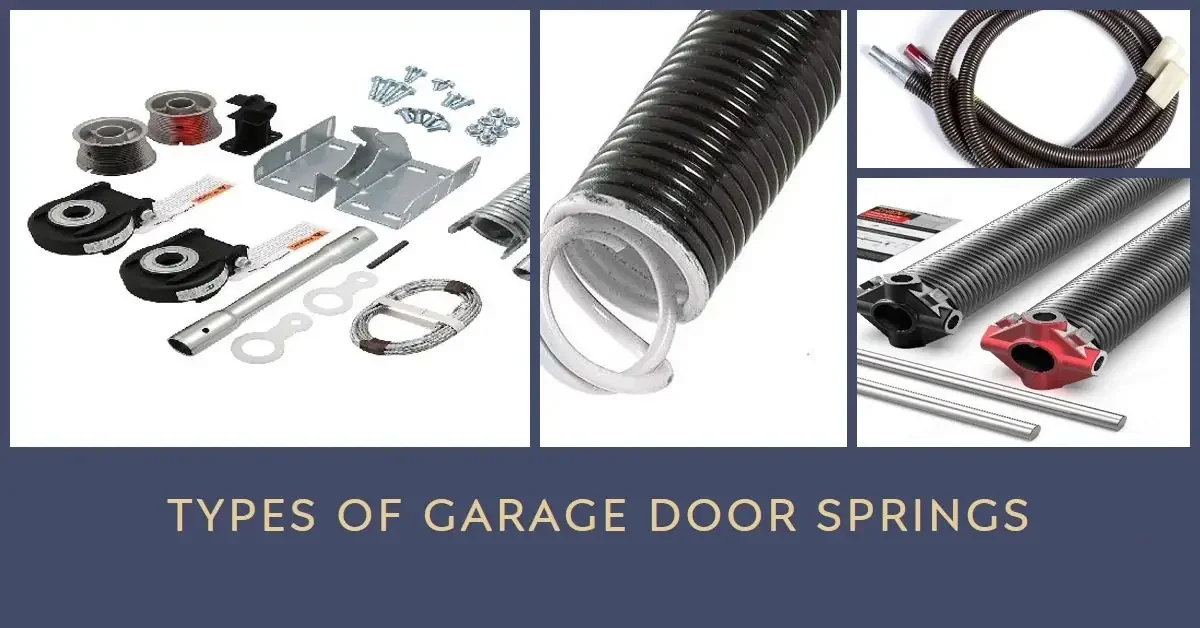
Heavier doors (solid wood or thick steel with foam) need robust openers and balanced springs. During installation, technicians measure and adjust springs and tracks so the opener doesn’t strain prematurely.
Cost, warranties, and lifespan
Estimate not just the upfront price of the door but installation labor, hardware, insulation, and future maintenance. Typical lifespan by material:
- Steel: 15–30 years with proper finish and service.
- Aluminum: 10–25 years depending on dent frequency.
- Wood: 10–20 years depending on maintenance.
- Fiberglass/Composite: 15–25 years with low maintenance.
Look for manufacturer warranties on panels, springs, and finishes. Warranties vary—read terms for rust, delamination, and finish failure specifically for NJ conditions.
Practical selection checklist before installation
- Match door materials to your neighborhood style and HOA rules.
- Choose an insulated option if the garage is attached or heated.
- Verify opener capacity and spring rating for the chosen material.
- Ask about finish options that resist chalking and corrosion.
- Request local references and examples of recent garage door installation projects.
Planning, permits, and timeline
Most garage door installation jobs in Basking Ridge are straightforward and completed in a day, but custom doors or structural framing can extend timelines. Confirm whether township permits are needed for door size changes or structural modifications—many simple replacements don’t require a permit, but enlargements typically do.
Installation steps
- Site measurement and door selection.
- Removal of the old door and inspection of tracks, frame, and opener.
- Install new panels, tracks, springs, and opener adjustments.
- Final balance and safety tests for auto-reverse and sensors.
For more detailed reading on styles and trends, see our blog for local case studies and examples.
How to choose a contractor for your garage door installation
Pick a contractor with experience in residential service and specific installations in NJ climates. Request proof of insurance, written estimates, warranty details, and ask whether they use OEM parts. If you’re ready for a site visit or estimate, reach out through our contact page to schedule one.
Ask these questions on the first call
- Do you install the type of material I want and provide local references?
- Are springs and openers covered in the quote and tested for local winter performance?
- What are typical timelines and disruption during a one-day installation?
If you’ve narrowed your material choices and want to review compatible models and local pricing, browse our service options and installation packages on the services page.
Final recommendations
For most Basking Ridge homeowners, insulated steel or composite doors strike the best balance of durability, energy performance, and low maintenance. Choose wood only when authentic appearance and ongoing upkeep are acceptable expenses. Whatever material you pick, proper installation and balanced hardware are vital for safety and longevity.
Ready to discuss a specific material, schedule an estimate, or compare energy ratings? Our local technicians can assess your garage and recommend the best materials for New Jersey weather and your budget.
Frequently Asked Questions — Basking Ridge, NJ
1. How does NJ winter weather affect garage door material choice?
Freezing temperatures and road salt increase corrosion risk. Choose galvanized or powder-coated steel, fiberglass, or composite materials for better longevity. If you select wood, plan for annual sealing to prevent moisture damage.
2. How long does a typical garage door installation take in town?
Most full-panel replacements take 4–8 hours and can be completed in a single day. Custom doors or structural frame changes add time—expect 1–3 days for larger projects.
3. What price range should I expect for a standard residential installation?
In Basking Ridge, basic steel doors with standard insulation typically start in the mid-range, while custom wood or high-end composites cost more. Get a written estimate from a local contractor to include labor, hardware, and any necessary opener upgrades.
4. Do I need permits to replace my garage door?
Simple like-for-like replacements usually don’t require permits. Altering the opening size, adding structural framing, or changing use may require a township permit. Check with local building officials or your installer before work begins.
5. What warranties should I look for on materials and installation?
Look for manufacturer panel and finish warranties plus a contractor warranty on labor. Ensure warranty terms cover finish failure, delamination, and spring hardware for clear local protection.
Helpful local resources in Basking Ridge, NJ
- Garage Door Repair Hoboken
- Garage Door Repair Montclair
- Garage Door Repair Westfield
- Garage Door Repair Summit
- Garage Door Repair Maplewood
- Garage Door Repair Livingston
- Garage Door Repair Short Hills
- Garage Door Repair Princeton
- Garage Door Repair Red Bank
- Garage Door Repair Morristown
- Garage Door Repair Chatham
- Garage Door Repair Mendham
- Garage Door Repair Bernardsville
- Garage Door Repair Bedminster
- Garage Door Repair Clinton
- Garage Door Repair Tenafly
- Garage Door Repair Ridgewood
- Garage Door Repair Upper Saddle River
- Garage Door Repair Wyckoff
- Garage Door Repair Basking Ridge
- Garage Door Repair South Orange
- Garage Door Repair Teaneck
- Garage Door Repair Fort Lee
- Garage Door Repair East Brunswick
- Garage Door Repair Montvale
- Garage Door Repair Haddonfield
- Garage Door Repair Marlboro
- Garage Door Repair Cranford
- Garage Door Repair Voorhees
- Garage Door Repair North Caldwell